


Welcome to the ByCitrus Ready-to-Grow Live Plant Collection!
Ready to add immediate life and beauty to your space? Our live plant collection features plants that are already rooted, established, and growing. Skip the waiting and get straight to enjoying your green space. This page is the perfect place to find your next green companion.
A Live Plant for Every Location
ByCitrus participates in affiliate marketing programs and may earn commissions from purchases made through links on this site.
Plant Finder

The Snake Plant, scientifically known as Dracaena trifasciata (formerly Sansevieria trifasciata), is a popular and resilient houseplant celebrated for its striking, sword-like leaves and remarkably easy care. Native to tropical West Africa, it has earned several common names, including “mother-in-law’s tongue” and “Saint George’s sword,” due to its upright, stiff foliage. Despite their hardy appearance, snake plants can produce small, greenish-white, fragrant flowers, though this is rare for plants grown indoors.

The ZZ plant, scientifically known as Zamioculcas zamiifolia, is a popular and resilient houseplant celebrated for its striking foliage and incredibly low-maintenance nature. Native to eastern Africa, it has earned common names like Zanzibar gem, eternity plant, and aroid palm due to its glossy leaves and ability to seemingly live forever with minimal care.

Pothos (Epipremnum aureum) is one of the most popular and easiest-to-grow houseplants, beloved for its resilient nature and cascading vines of heart-shaped leaves. Often called “devil’s ivy” because of its incredible hardiness and ability to stay green even in low light, it’s a perfect choice for both new and experienced plant enthusiasts.

Calla Lily, scientifically known as Zantedeschia, are striking and elegant flowering plants often admired for their unique, trumpet-shaped blooms. Despite their common name “lily,” they are not true lilies but belong to the arum family (Araceae), which also includes plants like peace lilies and philodendrons.

Aloe vera, scientifically known as Aloe barbadensis miller, is a succulent plant species renowned for its medicinal properties and ease of care. Native to the Arabian Peninsula, it has been used for thousands of years in traditional medicine for its soothing and healing qualities. It’s a popular houseplant due to its unique appearance and practical benefits.

The Monstera, most commonly referring to Monstera deliciosa (though there are many species in the genus Monstera), is a highly popular and iconic houseplant, cherished for its dramatic, large, and uniquely fenestrated (holey) leaves. Often called the “Swiss Cheese Plant” or “Split-Leaf Philodendron” (though it’s not a true Philodendron), it brings a lush, tropical jungle vibe to any indoor space. Native to the tropical forests of southern Mexico and Central America, it’s a vining plant that naturally climbs trees in its habitat.

The Spider Plant (Chlorophytum comosum) is a classic and beloved houseplant, famous for its graceful arching leaves and unique ability to produce “plantlets” that dangle from the mother plant, resembling spiders on a web. It is highly valued for its easy-to-grow nature and air-purifying qualities.
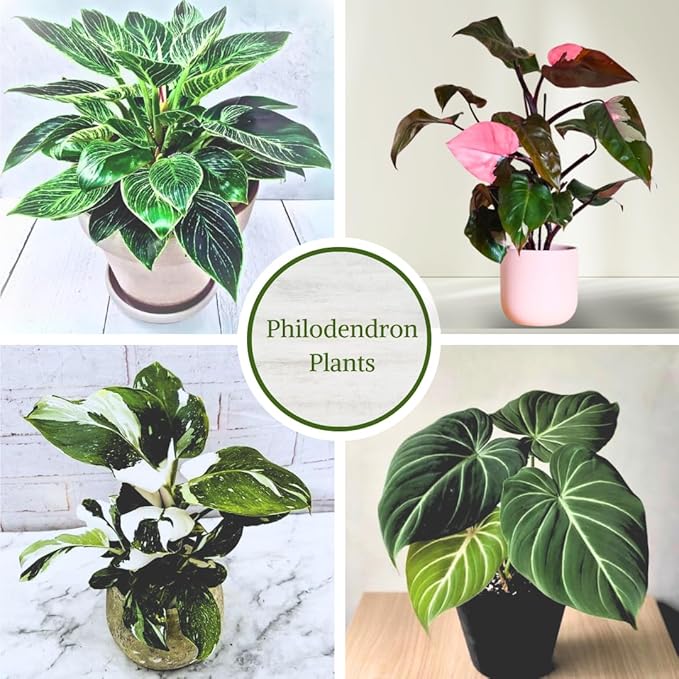
The name “Philodendron” comes from the Greek words “philo” (love) and “dendron” (tree), reflecting their natural tendency to climb trees in their native habitats. Philodendrons are a vast and diverse genus of tropical plants, beloved for their beautiful foliage and a wide range of shapes and sizes. They are a classic choice for both indoor and outdoor gardening, prized for their adaptability and elegant appearance.

Fiddle Leaf Fig – live plant for a tropical feel. Ficus lyrata houseplants are lush and green, dramatically improving indoor room decor aesthetic and bringing a focal point to any living room, office, and bedroom

The Rubber Tree plant, scientifically known as Ficus elastica, is a popular houseplant recognized for its large, waxy, and dark green leaves. The leaves are typically oval-shaped with a pointed tip and have a prominent central vein. New leaves often emerge with a reddish hue before maturing to a deep green.

Daylily – A hardy perennial that bursts with vibrant orange blooms in summer. Easy to grow and low maintenance, it’s perfect for borders, mass plantings, or adding a bold splash of color to any garden.

Coneflowers, scientifically known as Echinacea, are a beloved perennial that brings a vibrant, daisy-like charm to gardens throughout the summer. Native to the prairies of North America, they are celebrated for their distinctive spiky center and their incredible resilience.
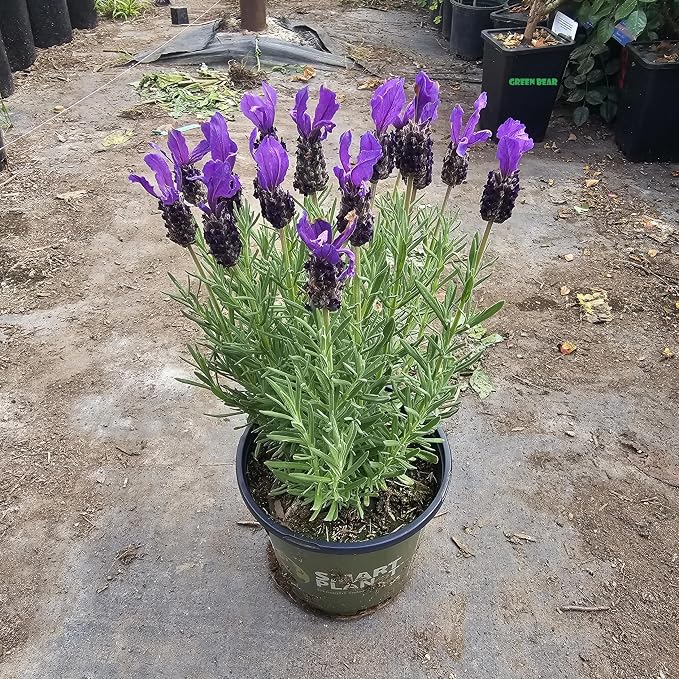
Lavender is a highly aromatic plant known for its beautiful purple flowers and its soothing fragrance. It’s a popular choice for gardens and is widely used in aromatherapy, culinary arts, and cosmetic products.

Hosta is a widely popular perennial plant, primarily grown for its lush and dramatic foliage. Often called “plantain lilies,” hostas are the quintessential choice for shade gardens, where their bold leaves provide texture, color, and structure from spring until fall.

Peonies are long-lived perennials that bring big, fragrant blooms to your garden year after year. With their lush flowers in shades of pink, red, and white, peonies are perfect for borders, cut arrangements, or as a show-stopping focal point. Easy to grow and hardy, they’re a must-have for any flower lover.

Hydrangea – A classic flowering shrub known for its large, showy blooms in shades of blue, pink, or white. Perfect for garden borders, hedges, or cut flower arrangements, hydrangeas add lasting beauty all season long.

The Iris is an elegant and enduring perennial celebrated for its intricate, sculptural flowers and its rich history. Named after the Greek goddess of the rainbow, Iris, the flower’s name reflects the wide spectrum of colors in which it can be found.

The Daisy, specifically the rudbeckia hirta, is a perennial plant that is widely appreciated for its vibrant yellow flowers and its ability to thrive in various garden conditions. This species, commonly known as the Black-eyed Susan, belongs to the Asteraceae family and is native to North America.

Bee balm (Monarda) is a vibrant, aromatic perennial known for its unique, shaggy flowers and minty-scented foliage. It is a favorite among gardeners for its ability to attract a wide range of pollinators, including bees, butterflies, and hummingbirds, who are drawn to its nectar-rich, tubular blooms. A member of the mint family, bee balm thrives in full sun and well-drained soil, making it a powerful and low-maintenance addition to any garden.

Columbine is a short-lived perennial known for its unique, bell-shaped flowers with nectar-filled spurs that are a favorite of hummingbirds. The plant has delicate, fern-like foliage and is a classic for cottage gardens. It thrives in partial shade and well-drained soil, often self-seeding to spread naturally.

Genovese Basil, also called Sweet Basil, has large, tender, fragrant leaves and sweet, spicy anise flavor. The best basil for pesto. The flower spikes dotted with tiny white edible flowers make a delicate garnish or salad addition. This heat-loving herb is a reliable producer and all-around great Italian basil.

Lettuce is a fresh, crisp, leafy green that is a staple in salads and sandwiches. A highly sought-after type is known for its sweet flavor and a soft, buttery texture that practically melts in your mouth. This variety grows as a loose rosette of tender, light green leaves. It is also an excellent choice for a home garden due to its reliable and heat-tolerant nature, making it a favorite for a long harvest.

Sweet Mint is a fragrant, easy-to-grow herb known for its refreshing scent and flavor. This versatile plant features vibrant green foliage and is a key ingredient in cooking, teas, and beverages.
A member of the mint family, it is also a very vigorous grower that will spread quickly through underground runners. For this reason, mint can be used as an effective groundcover, but it is often grown in containers or with root barriers to prevent it from taking over a garden bed.

Cilantro is an annual herb from the same plant as coriander. The word “cilantro” refers to the plant’s fresh leaves and stems. The dried seeds are called coriander.
Cilantro has a very distinct taste and aroma. It is a highly popular herb in many cuisines, including those from Latin America and Southeast Asia. The flavor is often described as fresh, citrusy, and a little bit peppery.

Thyme is an aromatic herb belonging to the mint family, Lamiaceae. It’s known for its small, pointed, grayish-green leaves and delicate woody stems. There are many varieties of thyme, but common thyme (Thymus vulgaris) is the most widely used in cooking.

Oregano is a pungent and aromatic herb from the mint family, Lamiaceae, much like thyme and marjoram. It has small, oval-shaped, green leaves and is particularly known for its strong, distinctive flavor.
The taste of oregano is warm, earthy, and slightly bitter, with a peppery kick and hints of mint and citrus.

Parsley is one of the most widely used and recognized herbs globally, belonging to the family Apiaceae (which also includes carrots and celery). It’s known for its bright green leaves and fresh, clean flavor.

Beefsteak Tomatoes are large, meaty, and flavorful tomatoes known for their impressive size (often over a pound), firm texture with few seeds, and rich, balanced sweet-acidic taste. They are ideal for slicing into sandwiches, burgers, and salads due to their substantial, uniform slices.

Onion Chives (Allium schoenoprasum) are a popular, delicate herb cherished for their mild onion flavor and attractive appearance. They are the smallest and one of the oldest species in the Allium family, which also includes onions, garlic, and leeks.

The Apple tree (Malus domestica) is a prominent, deciduous tree in the Rosaceae (rose) family. Originating in Central Asia, it is one of the most widely cultivated fruit trees globally. It thrives in temperate regions that experience a distinct cold period.

The Lemon (Citrus × limon) is a brightly colored, oval-shaped citrus fruit renowned globally for its intense tart and acidic flavor, which comes from a high concentration of citric acid in its juice. Growing on a small evergreen tree with fragrant white and purple-tinged blossoms, the fruit starts green and ripens to a characteristic vibrant yellow color. The exterior consists of a tough, dimpled rind (or peel) that is rich in aromatic essential oils, making the outer layer, known as the zest, a valued culinary ingredient.

The Lime (Citrus × limon and other species) is a small, round to oval citrus fruit that grows on a shrubby, evergreen tree common in tropical and subtropical regions. It is renowned for its intense, acidic, and bright flavor profile, which is often described as zesty and slightly more bitter than a lemon. While most commonly sold while still a brilliant dark green, the fruit will turn a pale yellow when fully ripe. The lime’s thin, dimpled outer skin, or zest, is packed with highly aromatic essential oils, making it a prized ingredient.

The Hass Avocado is, by far, the most popular and commercially significant variety of avocado worldwide, accounting for roughly 80% of all avocados sold globally. It is prized for its rich, superior taste and creamy texture. The original Hass “mother tree” was grown from a seed planted in the 1920s by mail carrier Rudolph Hass in La Habra Heights, California, making it a relatively new variety.

The Blue Ice Cream Banana, also known as the Blue Java (Musa acuminata × balbisiana), is a highly sought-after banana cultivar renowned for its unique color and exceptional flavor. While unripe, the fruit is a striking silvery-blue hue due to a natural wax coating, earning it the “Blue Banana” nickname. Once ripe, the skin fades to a pale yellow, revealing a creamy white flesh with a distinctly smooth, custard-like texture. This velvety texture and a sweet, aromatic flavor profile reminiscent of vanilla ice cream are why it is most popularly called the Ice Cream Banana. Furthermore, this variety stands out among bananas for its surprising cold-tolerance, allowing it to be grown in cooler subtropical regions than many other banana plants.

The Dragonfruit, also known as pitaya or pitahaya, is the brightly colored, edible fruit of several species of climbing cacti, primarily in the genus Selenicereus (formerly Hylocereus). It gets its dramatic name from the leathery, often pink or red skin that is covered in prominent, green, scale-like appendages, which resemble a mythical dragon’s scales. The most common variety features this vibrant pink exterior with a white, juicy pulp speckled with tiny, edible black seeds, giving the texture a mild crunch similar to a kiwi. Other popular varieties include those with red-flesh (often sweeter and more intensely flavored) or yellow-skin (known for being the sweetest type).

The Saguaro Cactus (Carnegiea gigantea) is the iconic, majestic symbol of the American Southwest and the largest cactus species in the United States. It is a defining feature of the Sonoran Desert, where it grows exclusively in the wild, primarily in Arizona and parts of Mexico.

The Jade Plant (Crassula ovata) is one of the world’s most popular and enduring houseplants. Often nicknamed the “Money Plant” or “Friendship Tree,” this succulent is cherished for its beauty and its symbolism. It is an ideal choice for both new and experienced plant lovers. Its slow-growing, woody stems give it the look of a miniature tree.

Sedum, often called Stonecrop, is a hugely popular plant among gardeners. This is a very large group, or genus, of succulent plants. They are prized for their exceptional hardiness and low maintenance needs. Sedums thrive in dry, poor soil where many other plants fail.

Yarrow, scientifically known as Achillea millefolium, is a versatile perennial herb. It is native to temperate regions across the Northern Hemisphere. This plant has a rich history in both traditional medicine and ornamental gardening. Its common name is said to come from the Greek hero Achilles. He allegedly used the plant to treat his soldiers’ wounds.

The term “sage plant” usually refers to Common Sage (Salvia officinalis), a highly aromatic and versatile herb. However, it’s important to know that “sage” is the common name for over 900 species in the genus Salvia, which includes many ornamental and culinary varieties.

Lantana plants, most commonly referring to Lantana camara, are exceptionally popular for their vibrant, non-stop color and tough, resilient nature. They are a staple in warm-climate gardens and are widely used as annuals in cooler regions.

The Agave (genus Agave) is a distinctive and iconic group of plants, often called “century plants” due to the mistaken belief that they only bloom every hundred years. They are renowned for their striking architectural form, incredible resilience, and significant economic importance, particularly in Mexico.

The Petunia (most commonly the hybrid Petunia x hybrida) is one of the world’s most popular flowering annuals, cherished for its long blooming period and incredible array of colors. It is a tender perennial, but is typically grown as an annual in most climates.

The Cosmos (genus Cosmos) is a delightful and easy-to-grow flower, widely cherished for bringing a light, airy, and whimsical look to gardens. The name “Cosmos” comes from the Greek word kosmos, meaning “order” or “harmony,” referencing the flower’s neatly arranged petals.
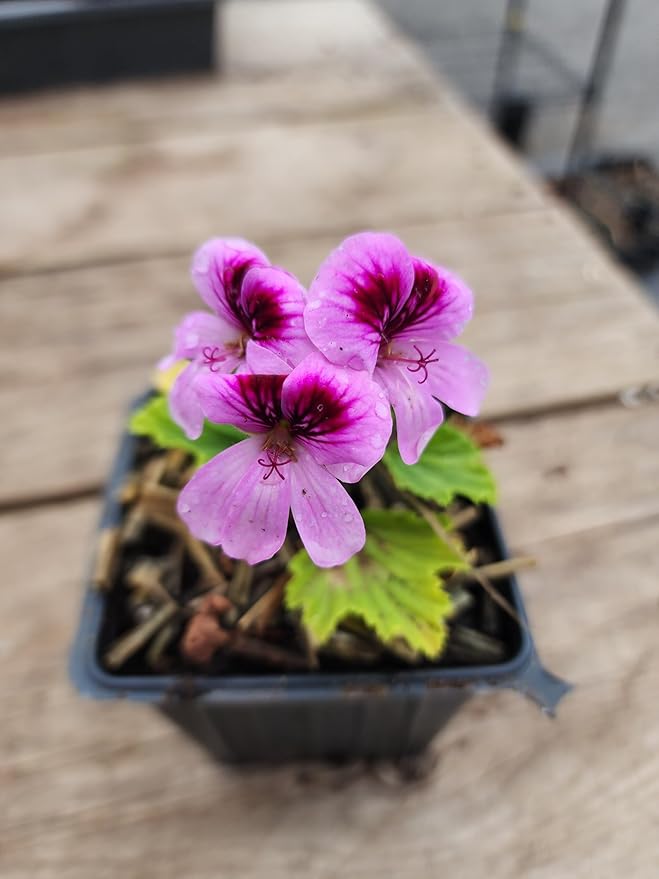
The common Geranium, which is botanically known as Pelargonium, is a beloved and ubiquitous plant. These blooms come in intensely saturated colors, including the popular vibrant reds, pinks, and whites, and are cherished for their ability to thrive in sunny locations, making the Geranium an essential choice for colorful window boxes, containers, and bedding displays

Creeping Phlox (Phlox subulata) is a stunning and popular perennial groundcover, cherished for its spectacular, carpet-like display of flowers that signals the arrival of spring. It is also commonly called Moss Phlox due to its dense foliage texture.

Lily of the Valley (Convallaria majalis) is a delicate, shade-loving perennial that is highly prized for its intense, sweet fragrance and charming appearance. This plant grows in dense colonies, spreading slowly via underground stems to form a lush, low-growing carpet, typically reaching about 6 to 10 inches in height.
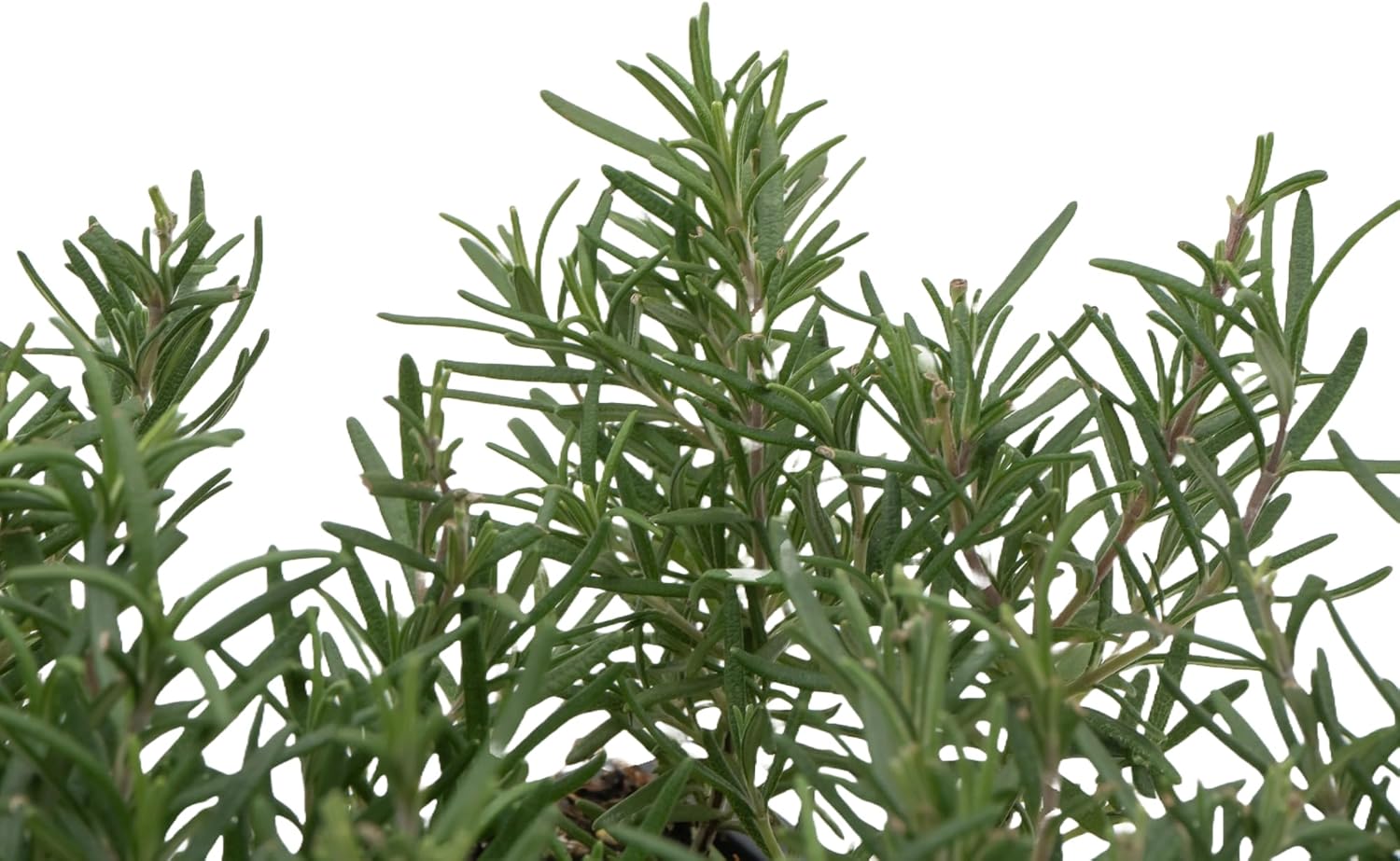
Rosemary is a highly aromatic and resilient evergreen shrub, native to the Mediterranean region, famous for its rich culinary use and striking appearance. The plant forms an erect, dense, and woody bush that can range from a low, spreading groundcover to a tall, upright specimen up to 4 to 6 feet high, depending on the variety.

Boxwood (Buxus spp.) is a classic, versatile evergreen shrub renowned for its dense, fine-textured foliage and its structural role in formal and traditional gardens.

The Yew (Taxus spp.) is a long-lived, classic evergreen that serves as a cornerstone of formal landscapes, highly valued for its dense foliage and exceptional ability to be sheared into precise shapes.

Coral Bells (Heuchera) is a spectacular perennial plant prized more for its dramatic, year-round foliage than its flowers. It forms a neat, low-growing basal mound of leaves, which are typically rounded, somewhat lobed, and often have a ruffled or scalloped edge.

The Sunflower (Helianthus annuus) is one of the most recognizable and cheerful flowers in the world, instantly identified by its impressive height and huge, radiant blooms. The plant is a fast-growing annual native to the Americas.

Ajuga, commonly known as bugleweed or carpet bugle, is a genus of about 40-50 species of flowering plants in the mint family (Lamiaceae). It’s most frequently grown as a groundcover due to its low-growing, spreading habit and attractive foliage.
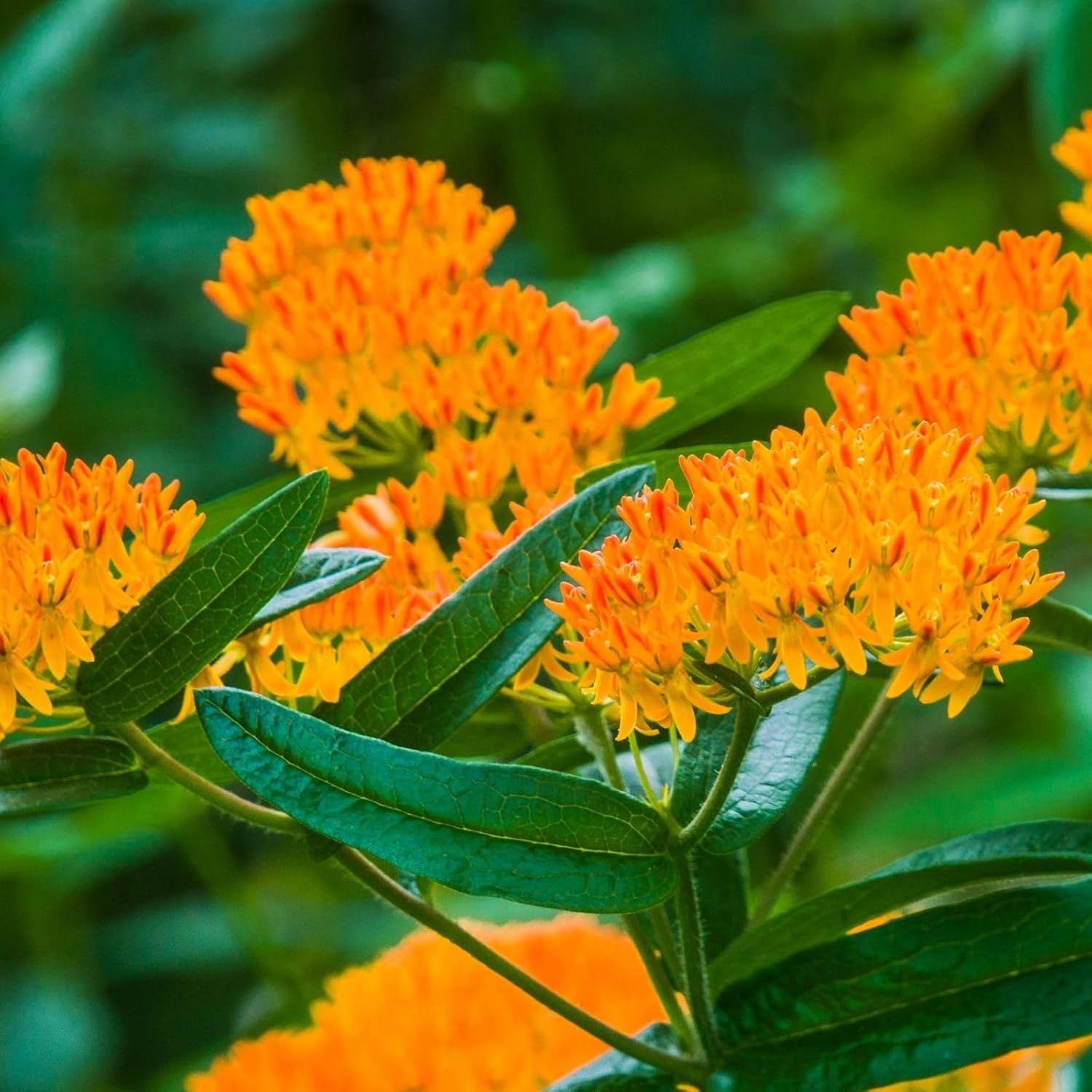
Milkweed (Asclepias spp.) is a perennial wildflower that is essential for a thriving, eco-friendly garden. It is most famous for its crucial role in supporting the Monarch butterfly population.

Attract Swallowtail butterflies to your garden with two large Orion Fennel plants. This butterfly host plant is non-GMO, pollinator-friendly, and offers delicious, crisp bulbs for your kitchen!

The Passion Flower vine (Passiflora incarnata) is an essential addition to any butterfly garden. It is the primary food source, or host plant, for several beautiful butterflies. This includes the striking Gulf Fritillary and the Variegated Fritillary. When you plant passion vines you are directly supporting their entire life cycle. You will see the spiky orange and black caterpillars happily feeding on the leaves.

Snapdragons (Antirrhinum majus) are highly valued for their bright colors. They also serve a special role in the garden’s ecosystem. They are a significant host plant for the fascinating Common Buckeye butterfly (Junonia coenia). A host plant is one where a female butterfly lays her eggs. The resulting caterpillars will feed on the plant’s foliage
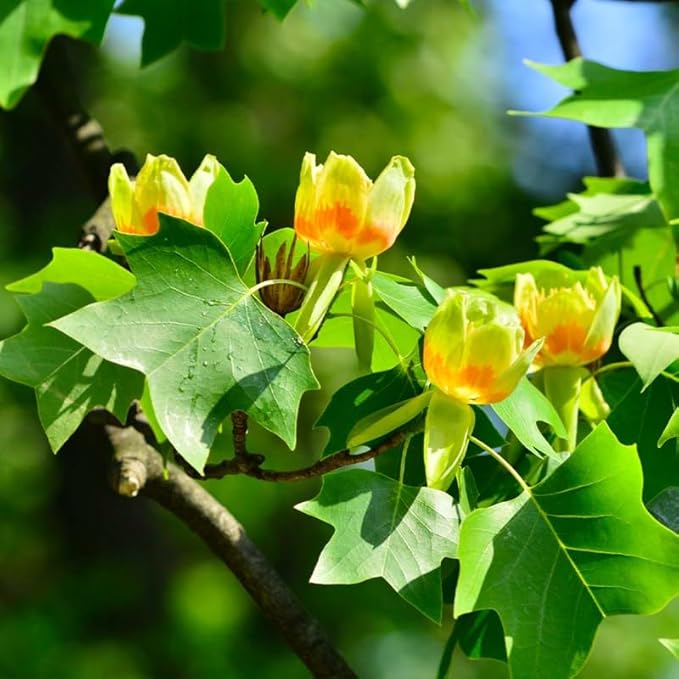
The Tulip Poplar is one of the largest native trees in North America. It is a true powerhouse for butterfly and moth conservation. The large, square-lobed leaves of this tree are a necessary food source. They sustain the caterpillars of several large, beautiful species.

The Purple Heart plant (Tradescantia pallida) is a beautiful ornamental plant. Its primary value in a butterfly garden is as a nectar source for adult butterflies and other beneficial pollinators.

The various species of Hibiscus are vital plants in a butterfly garden. They support both the adult stage (with nectar) and the larval stage (as a host plant). The large, vibrant blooms serve as a big, colorful landing pad for many insects.
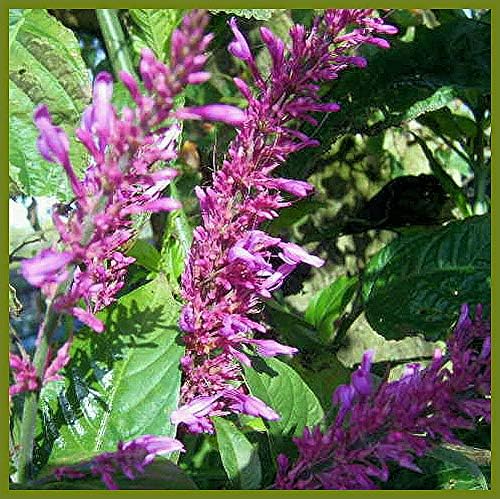
The Purple Firespike (Odontonema callistachyum) is a vigorous, tall shrub known for its stunning, long-lasting purple flower spikes. It provides abundant nectar and is a magnet for butterflies and hummingbirds, often blooming from fall through spring.

The Weeping Bottlebrush (Callistemon viminalis) is an excellent choice for attracting butterflies to your garden. It plays a specific and very important role in a butterfly habitat.

The Butterfly Bush (Buddleia davidii) is a popular and striking deciduous shrub known for its ability to attract adult butterflies and other pollinators. It features long, tapered flower clusters, or panicles, that resemble summer lilacs.
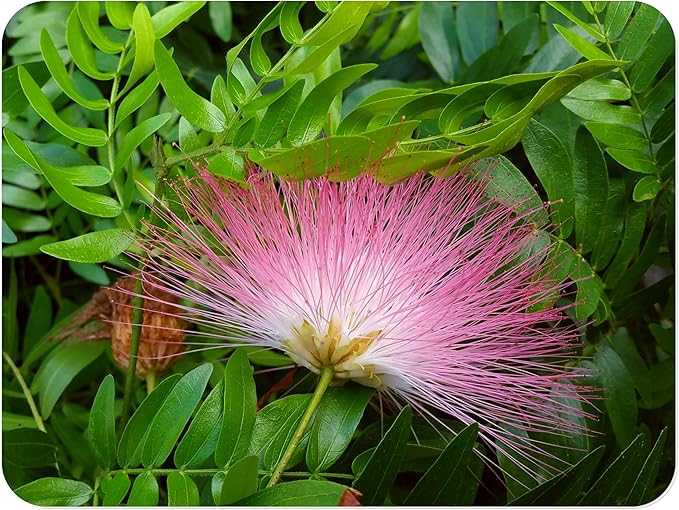
The Powderpuff plant is a beautiful and vital addition to any butterfly garden. It serves the needs of butterflies in two important ways: as a generous source of nectar and as a host plant for certain caterpillar species.

The Scarlet Jungle Flame (Ixora coccinea) is a butterfly magnet! Its structure, color, and plentiful nectar supply make it a fantastic, high-value plant for any butterfly garden.

While the Flamingo Flower (Anthurium andraeanum) is unlikely to attract butterflies for nectar in your garden, it can still contribute to a beautiful, diverse ecosystem. Focusing on positive mental outlook gardening, a tropical plant like this, with its continuous, eye-catching blooms, brings aesthetic joy and tropical flair to your space.

Blue Porterweed(Stachytarpheta jamaicensis) this low-growing, sprawling perennial thrives in warm climates, often blooming year-round. Its dark green, serrated foliage creates a beautiful, dense backdrop for the unique flowers. The plant typically spreads to create an attractive groundcover or container planting.

The plant known as Yellow Dot (Sphagneticola trilobata) is a fast-growing, vigorous groundcover that easily brightens any space. It produces continuous clusters of cheerful, daisy-like yellow flowers that are highly attractive to butterflies and other pollinators, making it an effective natural feeder in your garden.

A vibrant star of the garden, the Pentas (Pentas lanceolata) is an essential plant for attracting butterflies. Its dense, brightly colored clusters of small, red, pink, or white star-shaped flowers are packed with nectar, providing an irresistible and long-lasting food source for butterflies and hummingbirds throughout the warm season. This heat-tolerant plant ensures your garden remains a lively haven for fluttering friends.
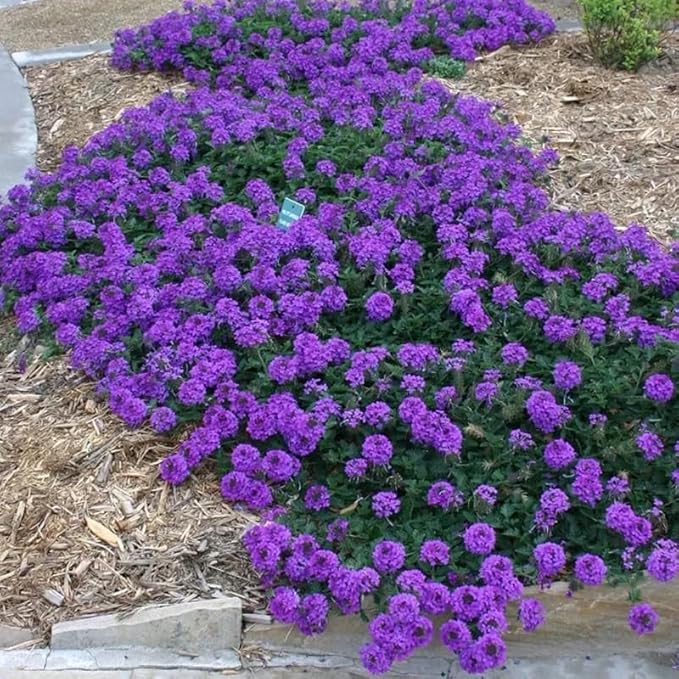
The perennial Verbena is a colorful and cascading ground cover. The prolific, nectar-rich blooms are a significant draw for the garden, effortlessly attracting butterflies and hummingbirds, making it a valuable addition for supporting local pollinator populations while providing continuous bursts of color. It is typically sought after for its durability and drought tolerance once established.

Mexican Heather (Cuphea hyssopifolia), Abundant, nectar-filled blooms serve as a continuous and reliable food source, making it a favorite for effortlessly attracting large numbers of butterflies, bees, and hummingbirds to garden borders, containers, or beds.
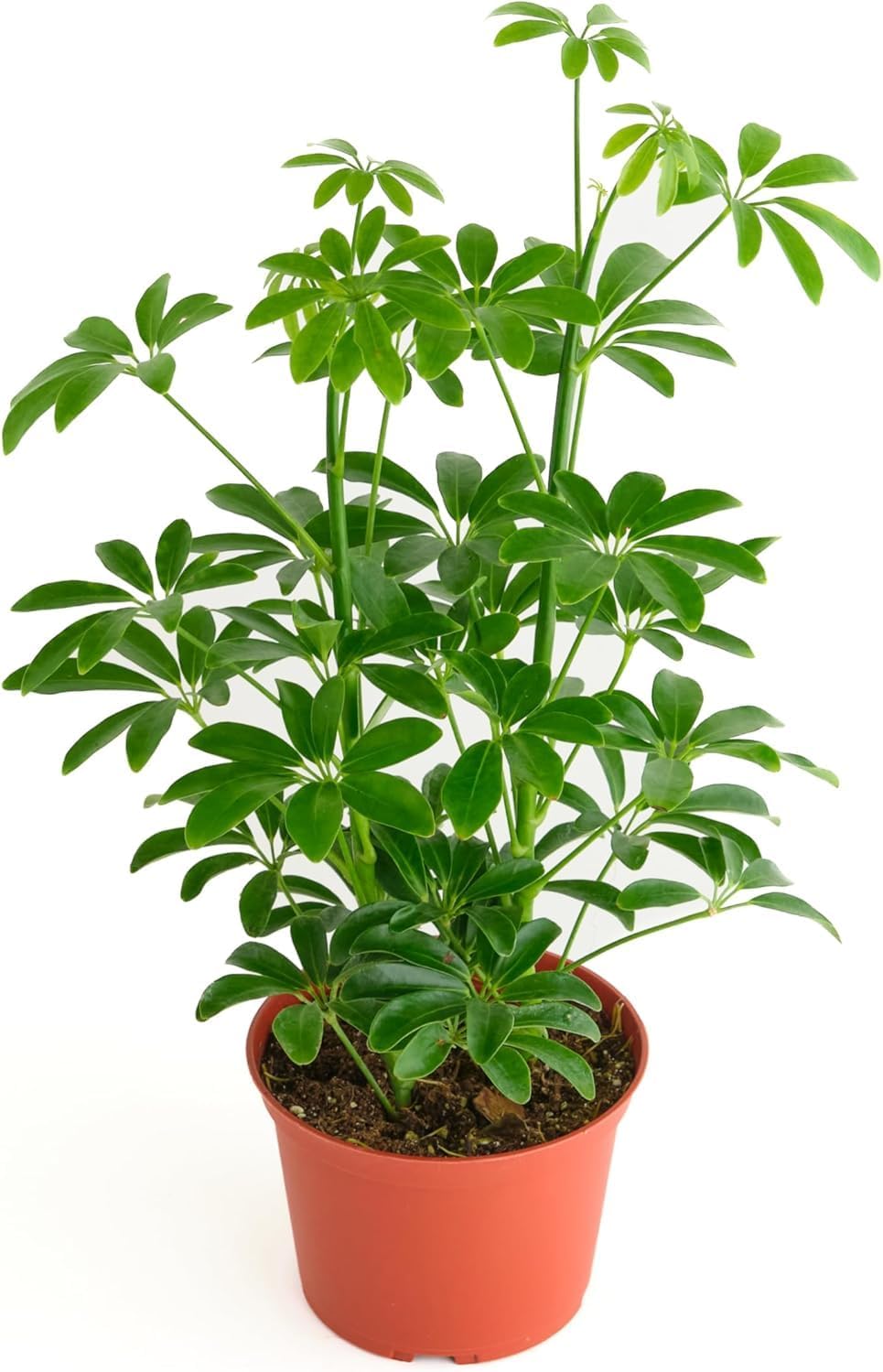
Umbrella Tree Plant (Heptapleurum) is widely known as a tropical foliage plant, valued for its glossy leaves that radiate outward like the spokes of an umbrella. When grown outdoors in tropical climates, has heavy nectar production and blooming structure. The mature Umbrella Tree is widely recognized and used in tropical landscaping and butterfly garden planning.

The Fishtail Palm (Caryota species) is primarily important to butterflies as an irreplaceable larval host plant. This means the palm’s foliage is the specific, necessary food source for the caterpillars of several butterfly species, including the Giant Redeye, Oriental Palm Bob, and various Palmflies. Without the palm to feed on, these caterpillar species cannot survive and transform into adult butterflies, making the plant essential for their life cycle. Beyond providing food for their young, the mature Fishtail Palm offers crucial shelter and protection for adult butterflies.
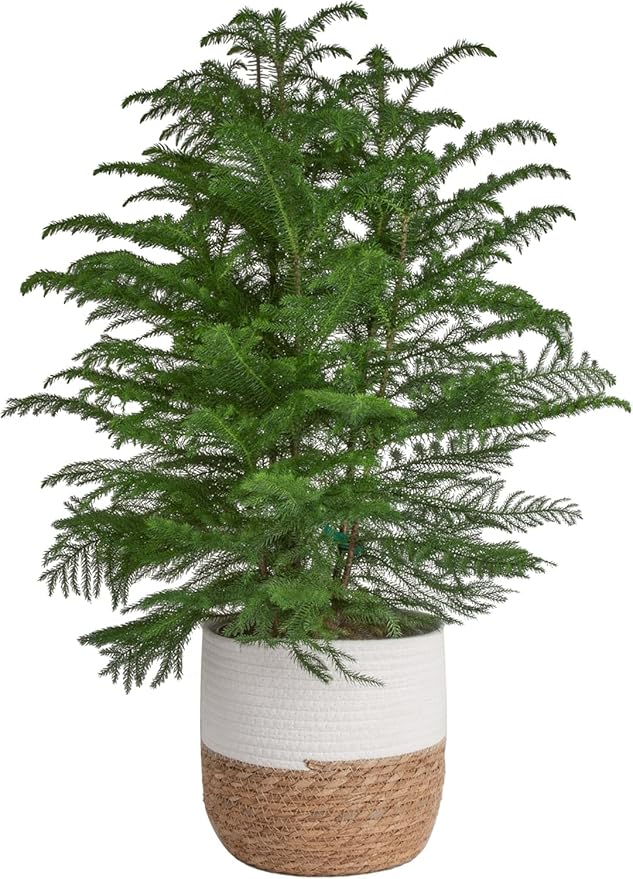
The Norfolk Island Pine (Araucaria heterophylla) contributes to the butterfly ecosystem through its imposing presence and unique structure. This evergreen conifer, which grows into a massive, pyramidal tree in suitable climates providing a space to rest tired wings and serve as a butterfly canopy.

Elephant Ear plant, primarily represented by species in the genus Colocasia, provides a crucial physical benefit to butterflies through its magnificent foliage and tropical structure. This herbaceous perennial is prized for its strikingly large, heart or arrow-shaped leaves, which easily earned it the common name that describes its resemblance to an elephant’s ears.

The Peace Lily (Spathiphyllum) is one of the most popular and elegant houseplants, cherished for its glossy green foliage and striking white ‘flowers’ (technically a spathe surrounding a spadix). It is known globally as a symbol of peace, hope, and healing. The plant’s easy-care nature makes it a perfect addition to any home or office space. It is also famous for its air-purifying qualities. It works well in any low-light corner.